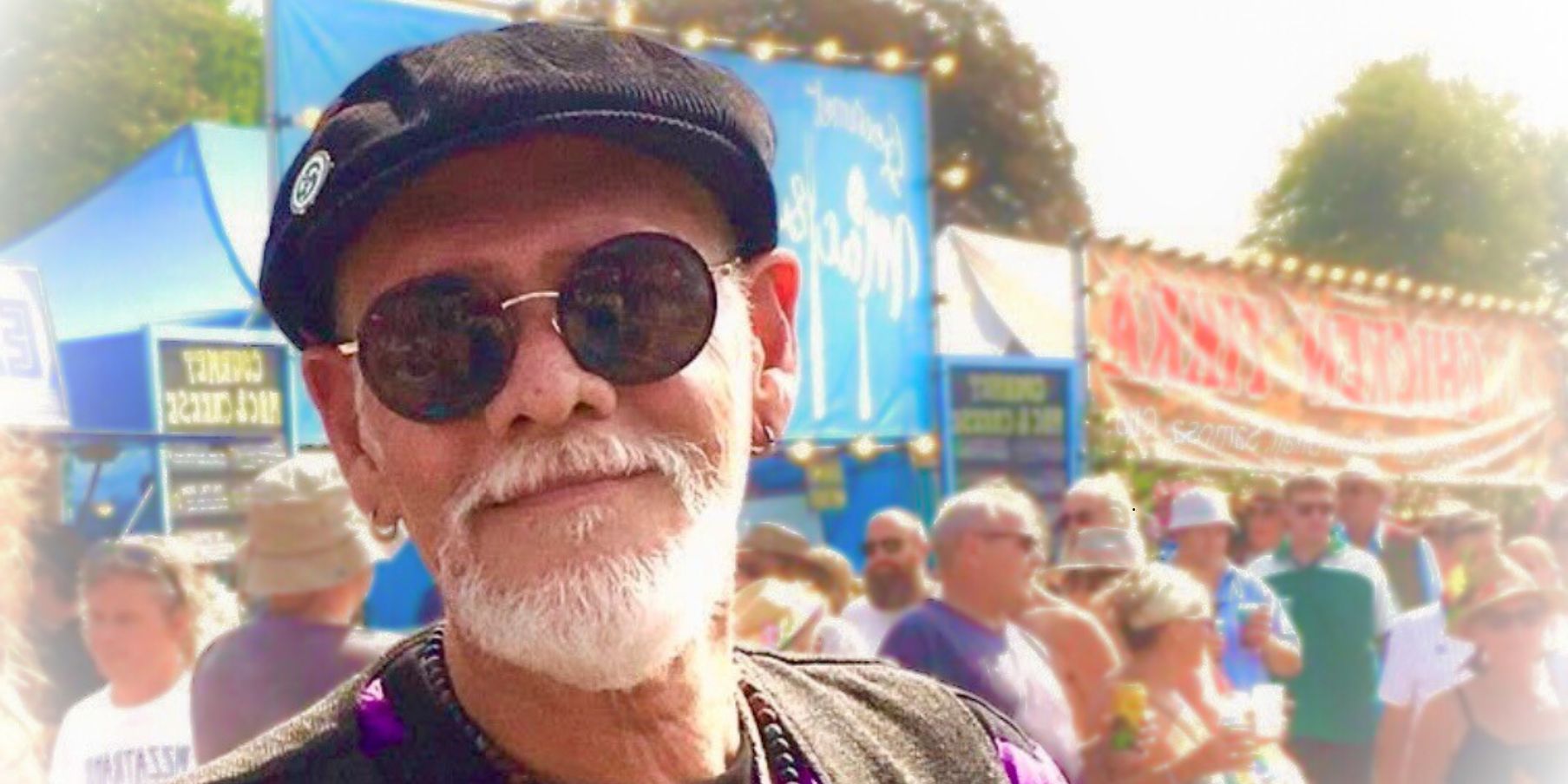
When I was first diagnosed with cancer, I was overwhelmed by fear and a deep sense of helplessness. What followed was a whirlwind of medical treatment — eight weeks of chemotherapy, major oesophagectomy surgery, and another eight weeks of chemotherapy. Throughout it all, I felt as though I had lost control of my life.
As the treatment continued, anger and despair began to take hold. I no longer recognised the person I had been before cancer. Although my family and friends were incredibly supportive, I realised I needed to talk to someone outside my immediate circle — someone who wasn’t emotionally tied to me. Counselling was suggested, but at first I resisted the idea.
I saw seeking help as a sign of weakness. I kept telling myself I had to stay strong, that I had to fight the negative thoughts alone. There was also a sense of masculine pride — a reluctance to admit how vulnerable I felt, both physically and mentally, after everything I had been through.
Eventually, I made the call. I was offered an appointment quickly, and when I arrived at the Fountain Centre, I was welcomed with warm smiles, a drink, a biscuit, and a genuine sense of acceptance.
I went on to have 12 weeks of counselling, and I can honestly say it changed my life. My counsellor listened without judgement and helped me see that I could regain control, and that there were still parts of me untouched by cancer. I began to feel a renewed sense of self-respect and found it easier to talk openly with others again.
The Fountain Centre also transformed how I felt about visiting the hospital. Instead of being a place filled with fear and reminders of illness, it became somewhere I felt supported and understood.
I cannot thank the team at the Fountain Centre enough. Reaching out for counselling was one of the best decisions I made. If you’re considering it, make it your decision — and give it a try.